
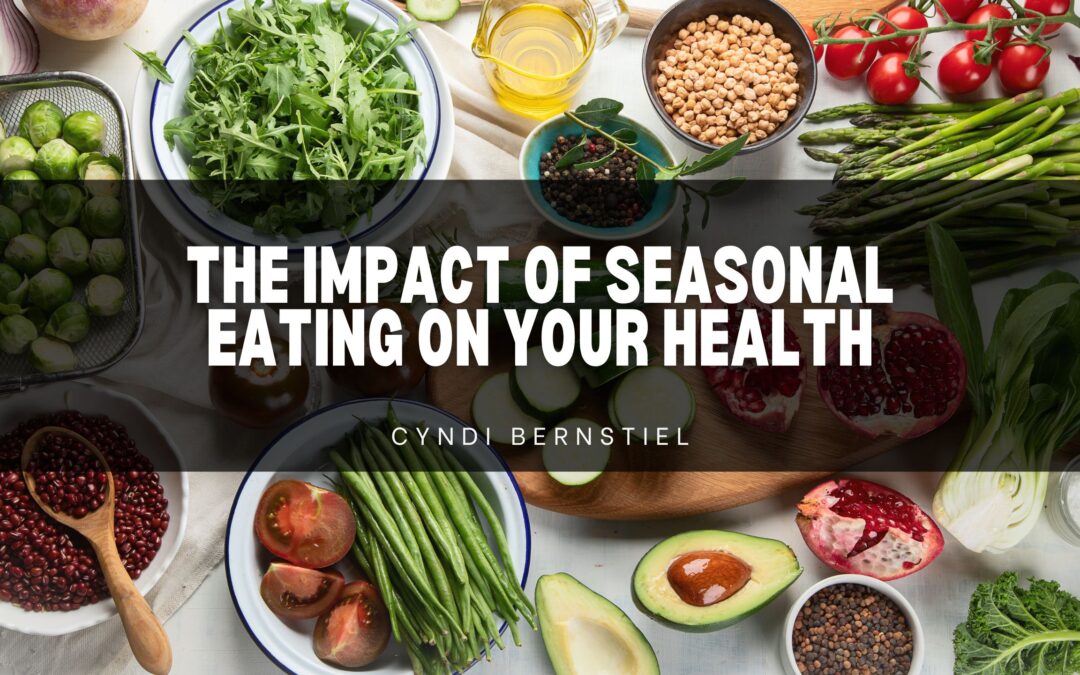
In recent years, the concept of seasonal eating has gained significant attention, not only for its environmental benefits but also for its positive impact on health. Seasonal eating involves consuming foods that are naturally harvested during a specific time of the year, aligning your diet with what is available locally and at its peak freshness. But how does eating with the seasons influence your health? Let’s explore the numerous ways seasonal eating can benefit both your well-being and the environment.
1. Higher Nutrient Content
One of the most compelling reasons to eat seasonally is that produce grown during its natural season is often more nutrient-dense. When fruits and vegetables are picked at their peak ripeness, they contain higher concentrations of vitamins, minerals, and antioxidants compared to those harvested before they are ripe for long-distance transport. For example, summer fruits like tomatoes, berries, and peppers are packed with vitamin C, while autumn vegetables like squash and root vegetables are rich in vitamins A and E.
Additionally, seasonal produce doesn’t have to travel as far to reach your plate, which means it spends less time in storage or transit, retaining more of its vital nutrients. Eating foods in their prime season ensures you’re getting the most out of every bite.
2. Improved Digestive Health
Eating in alignment with the seasons can have a beneficial effect on your digestive health. During the warmer months, lighter, water-rich foods like cucumbers, melons, and leafy greens are more readily available. These foods tend to be easier on the digestive system, helping to maintain hydration and prevent overheating.
In contrast, during the colder months, root vegetables, squashes, and hearty greens come into season. These foods are higher in fiber and more satiating, providing the warmth and energy your body needs to stay nourished and supported through the winter. The increased fiber content found in seasonal foods promotes healthy digestion by aiding in regular bowel movements, preventing constipation, and supporting the growth of beneficial gut bacteria.
3. Boosted Immune Function
Seasonal eating can also support your immune system, which is particularly important during the fall and winter months when colds and flu are more prevalent. Fruits and vegetables that are in season during the colder months, such as citrus fruits, apples, and cruciferous vegetables (like broccoli and cauliflower), are rich in immune-boosting nutrients like vitamin C, antioxidants, and phytochemicals.
Incorporating these seasonal foods into your diet strengthens your body’s defenses against illness by reducing inflammation and supporting the production of white blood cells that fight infection. Likewise, consuming seasonal foods in the summer months can help your body fight off heat stress and prevent dehydration.
4. Better for Mental Well-being
Eating seasonally isn’t just beneficial for your physical health—it can also have a positive impact on your mental well-being. Studies have shown that eating fresh, local, and seasonal foods can reduce the risk of mood fluctuations and help you maintain balanced energy levels. Many seasonal foods, particularly those rich in vitamins like B vitamins and magnesium, have been shown to help reduce stress and promote better sleep.
Seasonal eating encourages you to engage with the rhythms of nature, which can help you feel more grounded and connected to your environment. This mindfulness aspect of seasonal eating has been linked to improved mental clarity, reduced stress, and a more positive outlook.
5. Environmental and Economic Benefits
While the focus here is on health, it’s important to recognize that seasonal eating also offers significant environmental benefits. Foods that are in season require fewer resources for growing, such as water, fertilizer, and transportation energy. This translates to a smaller carbon footprint compared to out-of-season produce that is often grown in faraway places or requires intensive agricultural practices to thrive out of season.
Additionally, seasonal eating supports local farmers and economies, promoting sustainability. By purchasing local, in-season produce, you contribute to the agricultural community and help reduce the reliance on industrial farming methods, which are often harmful to the environment.
6. Better Taste and Variety
Finally, seasonal foods simply taste better. When produce is harvested at its peak ripeness, it is more flavorful, fragrant, and vibrant. Whether it’s the sweetness of a summer peach or the earthiness of roasted winter root vegetables, eating seasonally means you get to enjoy food at its most delicious.
Furthermore, by embracing seasonal eating, you introduce variety into your diet. Each season brings a new array of produce, encouraging you to try new foods and recipes. This variety not only keeps meals exciting but also ensures you get a broad spectrum of nutrients over the course of the year.
The impact of seasonal eating on your health is profound, with benefits that range from improved digestion and immune function to better mental well-being and increased nutrient intake. By eating in harmony with the seasons, you can enjoy fresher, more flavorful foods that nourish your body while reducing your environmental impact. Embracing seasonal eating encourages a deeper connection with the natural world and supports both your health and the local economy. So, next time you plan your meals, think about what’s in season and reap the numerous health benefits that come with it.